
1J27 vs 1J22 for Aerospace: A Head-to-Head Material Decision
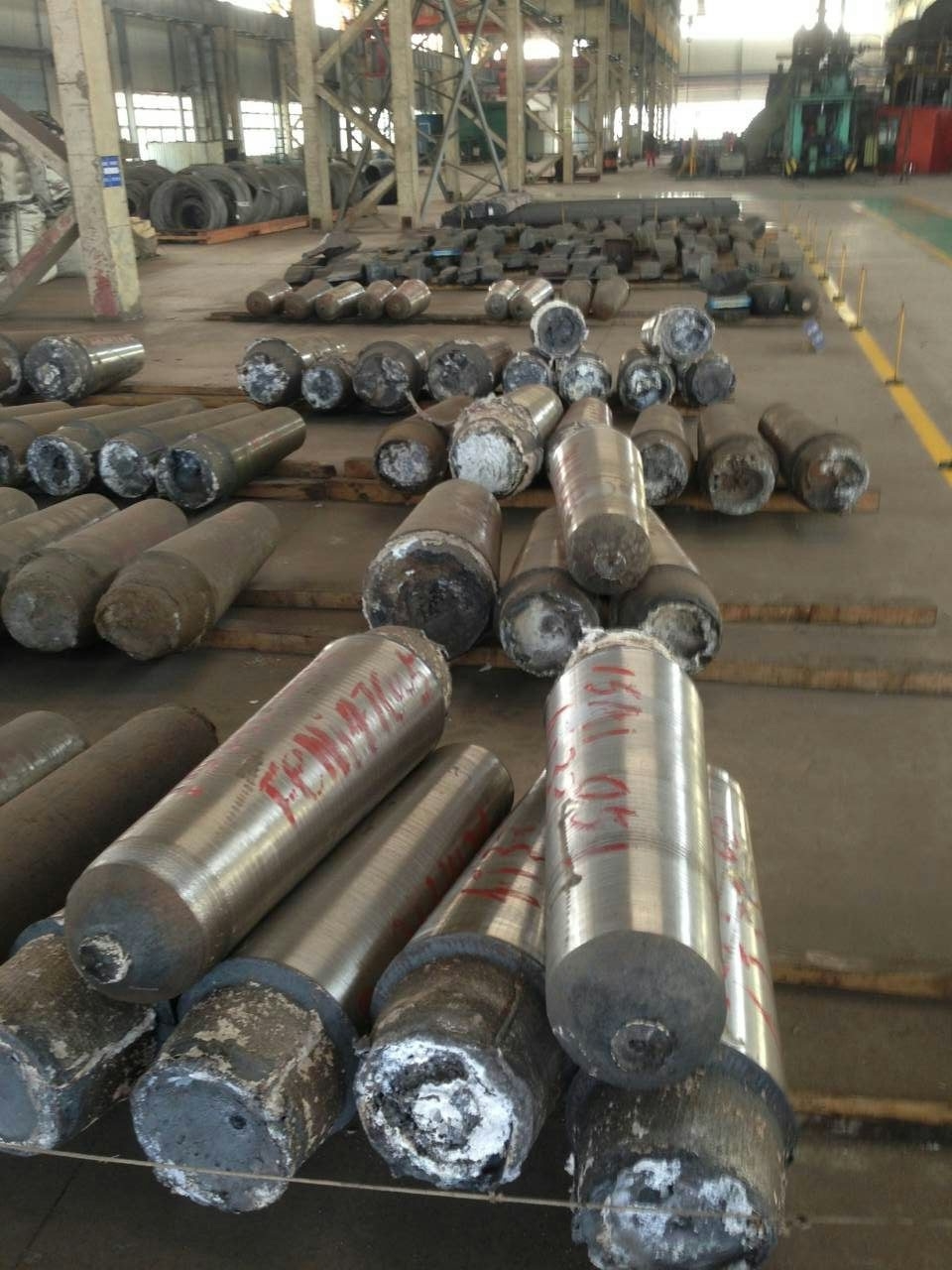
Choosing between 1J27 and 1J22 is not a question of which aerospace soft magnetic alloy is better. Both are nickel-iron-based Permalloy grades produced from the same material family, and both are specified for aerospace hardware. The decision turns on what the component must physically do: generate the highest possible magnetic flux density and force from the smallest possible volume, or convert magnetic energy into mechanical motion and respond to weak alternating fields with high sensitivity.
The short answer, based on documented grade behaviour: 1J22 (HiperCo50) carries the ultra-high saturation magnetic flux density role — it strengthens electromagnetic attraction and downsizes aerospace-grade electromagnets and precision DC motors. 1J27 carries the ultra-high magnetostriction role for precision magneto-mechanical conversion, with low coercivity and high sensitivity under weak alternating magnetic fields. Their documented application temperature ranges also differ: 1J22 is rated across −60 °C to 120 °C, while 1J27 is rated across −60 °C to 130 °C.
This guide compares the two grades against the four variables that actually decide aerospace material selection: magnetic output mode, thermal envelope, mechanical load path, and supply condition. All grade facts below are drawn from supplier technical documentation for the Permalloy range supplied by Cheng Yuan Alloy, alongside publicly attributable third-party market and standards data.
Problem Definition: Two Different Design Pressures Behind One Material Decision
Aerospace magnetic components rarely underperform because an alloy was generically wrong. They underperform because the material was optimised for the wrong physical output. Two distinct design pressures sit behind almost every 1J27 versus 1J22 decision, and they pull in different directions.
Pressure one — force and flux density per unit volume. When an aerospace electromagnet, a magnetic bearing actuator, a precision DC motor or a generator rotor has to deliver a defined holding force or torque inside an envelope that is already frozen, the limiting variable is saturation magnetic flux density. 1J22 is documented as providing ultra-high saturation magnetic flux density that strengthens electromagnetic attraction and downsizes aerospace-grade electromagnets and precision DC motors. In this context, 1J22 is a downsizing tool, not simply a magnetic material.
Pressure two — magneto-mechanical conversion and weak-field sensitivity. When the component converts magnetic energy into physical displacement, vibration or sensing feedback, efficiency depends on magnetostriction and on how cleanly the alloy responds at low excitation. 1J27 is documented as providing an ultra-high magnetostriction coefficient that enables efficient magnetic-mechanical energy conversion for precision transducer components, supported by low coercivity and low hysteresis loss for high-sensitivity response under weak alternating magnetic fields.
A third and quieter pressure is thermal. Aerospace electronics in sealed enclosures do not fail at the bulk temperature of the airframe; they fail at the hottest local point inside the housing. The documented difference between 1J22 at −60 °C to 120 °C and 1J27 at −60 °C to 130 °C is small in absolute terms, but where a design already runs close to its thermal ceiling, a 10 °C widening of the material's stated working range can decide the grade before magnetics are even modelled.
The fourth pressure is manufacturing feasibility. Both grades are supplied in strip form with thickness tolerance controlled within ±0.001 mm, and both require a homogeneous internal grain structure after annealing. A design that ignores how the alloy behaves at the slitting and stamping stage will not reach its modelled magnetic performance.
Industry Background: Where 1J22 and 1J27 Sit in the Soft Magnetic Supply Chain
Soft magnetic materials are a large and steadily growing materials category. Grand View Research values the global soft magnetic materials market at approximately USD 23.0 billion in 2025, projected to reach USD 33.9 billion by 2033. Within that broader category, QY Research expects the soft magnetic alloy material segment to grow at a CAGR of 3.1% from 2024 to 2030, reaching USD 4.14 billion.
Supply is geographically concentrated. Asia Pacific holds the largest share of soft magnetic materials volume, estimated between 41.0% and 49.37% in 2025, with China as the leading producer. At the top of the high-performance alloy segment, the major global manufacturers include Vacuumschmelze (VAC), Hitachi Metals (Proterial), Carpenter Technology and Arnold Magnetic Technologies.
The relevant split for aerospace engineers is not geographic but metallurgical. Two families dominate precision electromagnetic design:
- High-permeability nickel-iron grades such as 1J50 (FeNi50), 1J79 (Ni79Mo4, referenced in Russian-standard nomenclature as 79НМ), 1J85 and 1J54. These are the classic magnetic shielding materials and transformer core grades, used for isolation transformers, current and voltage transformers, common-mode inductor cores, audio transformers and Permalloy EMI shielding. Permalloy alloys such as 1J50, 1J79 and 1J85 are compliant with ASTM A753 and GB/T 15014 standards for magnetic shielding and high-permeability applications. Mu-metal, metallurgically similar to 1J85 and 1J79, exhibits a relative permeability of around 100,000 at 1 kHz, which is why it remains the default answer for low-frequency shielding.
- High-saturation and high-magnetostriction grades such as 1J22 (HiperCo50) and 1J27, which exist for force generation, magnetostrictive conversion and moving-coil or diaphragm applications rather than for shielding. HiperCo 50 (1J22) contains approximately 49% cobalt and is governed by ASTM A801 Type 1, a specification optimised for high-speed rotors and stator laminations.

This is why the 1J27 versus 1J22 question is a family-internal decision rather than a cross-category one. Both grades are supplied as Permalloy strip and Permalloy bar, both are used in aerospace assemblies, and both are documented for magnetostrictive transducer work. The difference lies in which mechanism the design is paying for.
What Each Alloy Is Documented to Do
1J22 (HiperCo50): Ultra-High Saturation Flux Density for Electromagnetic Downsizing
1J22 is documented for aerospace generators, precision motors, electromagnet poles, magnetron tubes, audio diaphragms and transducer cores. Its working condition is specified at −60 °C to 120 °C, with sustained long-term reciprocating alternating-magnetic-field excitation, stable performance under aviation-grade mechanical vibration, and suitability for sealed magnetron assemblies and low-noise electromagnetic-driven environments.
Four documented functions define the grade:
- Ultra-high saturation magnetic flux density strengthens electromagnetic attraction and downsizes aerospace-grade electromagnets and precision DC motors.
- Outstanding magnetostriction coefficient realises mechanical-magnetic energy conversion for magnetostrictive-transducer iron cores.
- A fine-grained structure delivers uniform vibration performance for telephone earphone vibrating diaphragms.
- Low coercivity cuts hysteresis loss and supports long-term stable operation of magnetron end-welded tubes.
The manufacturing requirements attached to 1J22 are as demanding as its magnetics. Documented special requirements include extremely high magnetostriction coefficient combined with high saturation magnetic flux density for electromagnetic energy conversion; thickness tolerance of ±0.001 mm; uniform grain structure and stable magnetic consistency; stable magneto-mechanical performance from −60 °C to 120 °C without attenuation; low hysteresis loss for long-term alternating-field cycling; and sufficient structural toughness for precision stamping and vibrating-diaphragm assembly. The matched process equipment list confirms the intent: magnetic performance tester, precision stamping mould, magnetron assembly shell, aerospace electromagnet fixture, servo motor casing, magnetostrictive transducer base and DC motor internal mounting bracket.
1J27: Ultra-High Magnetostriction with Weak-Field Sensitivity
1J27 is documented for speakers, aerospace parts, magnetic bearings, motor rotors, electromagnet poles, relays and transducers. Its working condition is specified at −60 °C to 130 °C, tolerating long-term slight-to-moderate mechanical vibration typical of precision instruments, maintaining steady performance under weak-to-medium electromagnetic interference, and adapting to sealed electronic cabins and dry-to-moderate-humidity industrial surroundings.
Its documented functions are narrower and more specialised than 1J22's:
- An ultra-high magnetostriction coefficient enables efficient magnetic-mechanical energy conversion for precision transducer components.
- Low coercivity and low hysteresis loss ensure high-sensitivity response under weak alternating magnetic fields.
- Stable magneto-mechanical properties guarantee accurate vibration output and sensing feedback for miniature instrument systems.
- Excellent temperature stability maintains consistent performance in precision electronic and electromagnetic devices.
1J27's operating mode is continuous dynamic reciprocating operation under alternating magnetic field inside precision transducers and micro electromagnetic components — a long-term cyclic magnetostrictive vibration state with stable magneto-mechanical performance and no demagnetisation under rated operating temperature. Its documented special requirements are equally specific: a high-targeted magnetostriction coefficient with a narrow tolerance range so that vibration-conversion efficiency is consistent from part to part; thickness tolerance within ±0.001 mm; homogeneous internal grain structure after annealing; reliable magneto-mechanical stability across −60 °C to 130 °C without obvious performance decline; low residual magnetism and low hysteresis loss for long-time cyclic vibration excitation; and good ductility for ultra-thin stamping of miniature transducer internal parts.
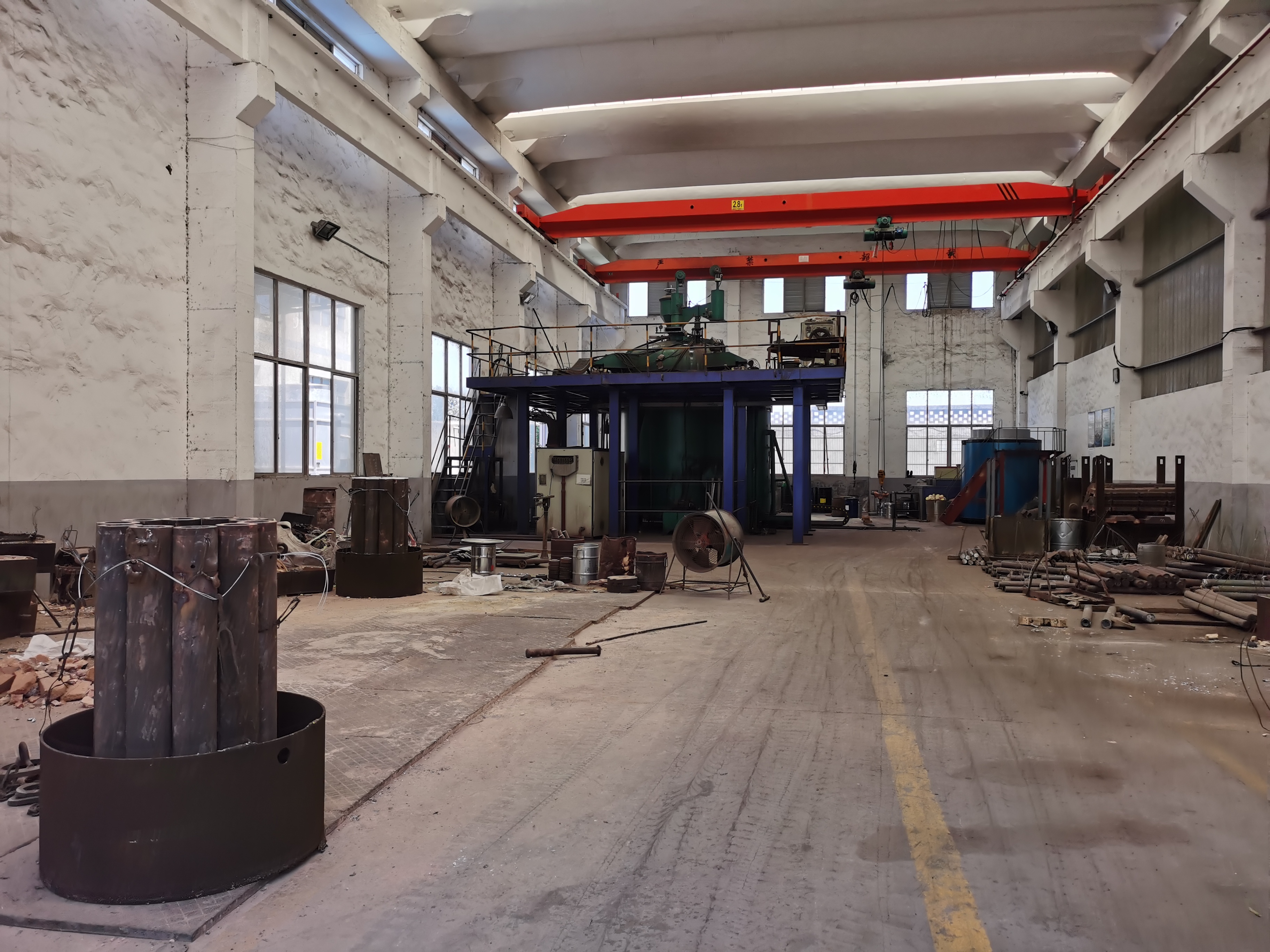
The matched equipment list for 1J27 — precision alloy-strip slitting die, magnetostriction parameter tester, electromagnetic-coil winding jig, sealed protective housing, miniature-transducer assembly fixture and precision-instrument internal mounting bracket — describes a different production problem from 1J22. 1J27 parts are small, thin and vibration-critical. 1J22 parts are high-force and mechanically loaded.
The 1J22 Sub-Variants: Standard, 1J22MS and 1J22HS
One practical point that often decides a project faster than the headline grade comparison: 1J22 is not a single delivery condition. Two documented variants exist, and choosing between them is part of the same decision.
- 1J22MS is positioned for aerospace equipment and magnetostrictive transducer components. Its documented functions include an optimised magnetic-domain characteristic that accelerates rotor dynamic response under frequent start-stop cycles of torque motors, a moderate magnetostriction value producing steady vibration output for earphone diaphragm assemblies, and controlled residual magnetism to prevent signal deviation in precision servo-motor components. It is assembled long-term inside torque-motor rotors and earphone vibrating-diaphragm components under frequent dynamic alternating-field cycling and intermittent startup-shutdown without magnetic-performance degradation. Its stated special requirements emphasise low residual magnetism to avoid signal drift, strict flatness control for thin diaphragm forming, consistent dynamic magnetic response under intermittent load changes, and anti-fatigue magnetic properties with no demagnetisation after millions of vibration cycles.
- 1J22HS is positioned for aerospace-grade electromagnet pole heads, high-reliability magnetron fittings and heavy-load magnetostrictive transducer cores. It delivers improved comprehensive magnetic properties with the same consistent high saturation magnetic flux density and high Curie temperature as standard 1J22, but adds ultra-high tensile and yield strength to resist the large centrifugal force of high-speed rotating parts, plus fatigue resistance for long-term alternating vibration. Critically, 1J22HS must undergo vacuum hydrogen annealing treatment, requires dual inspection of both mechanical properties and magnetic performance before delivery, and must remain low-deformation and crack-free after stamping and high-speed operation.
In practice, this means the 1J22 side of the comparison is really a three-way choice: standard 1J22 for conventional high-saturation cores, 1J22MS for dynamic, start-stop, low-residual-magnetism duty, and 1J22HS where centrifugal load and structural strength dominate.
Head-to-Head Comparison Table: 1J22 vs 1J27
The table below compares only what is documented for each grade. Where a property is not specified in the grade's application data, it is marked as not specified rather than estimated.
| Decision variable | 1J22 (HiperCo50) | 1J27 |
|---|---|---|
| Primary magnetic role | Ultra-high saturation magnetic flux density plus outstanding magnetostriction | Ultra-high magnetostriction coefficient for precision magneto-mechanical conversion |
| Saturation flux density (Bs) role | Documented ultra-high Bs that strengthens electromagnetic attraction and downsizes electromagnets and precision DC motors | Not specified in the grade's documented application data; the grade is described through magnetostriction and weak-field response instead |
| Magnetostriction role | Extremely high magnetostriction coefficient for electromagnetic energy conversion and transducer iron cores | High-targeted magnetostriction coefficient with a narrow tolerance range for consistent vibration-conversion efficiency |
| Coercivity and hysteresis | Low coercivity, reducing hysteresis loss for long-term magnetron operation | Low coercivity and low hysteresis loss for high sensitivity under weak alternating fields |
| Documented working temperature | −60 °C to 120 °C | −60 °C to 130 °C |
| Mechanical environment | Aviation-grade mechanical vibration; 1J22HS adds ultra-high tensile and yield strength for high-speed centrifugal load | Long-term slight-to-moderate mechanical vibration typical of precision instruments |
| Electromagnetic environment | Low-noise electromagnetic-driven environments and sealed magnetron assemblies | Weak-to-medium electromagnetic interference; sealed electronic cabins; dry-to-moderate humidity |
| Thickness tolerance | ±0.001 mm | ±0.001 mm |
| Grain / annealing requirement | Uniform grain structure and stable magnetic consistency; 1J22HS requires vacuum hydrogen annealing and dual mechanical plus magnetic inspection | Homogeneous internal grain structure after annealing, plus good ductility for ultra-thin stamping |
| Documented applications | Aerospace generators, precision motors, electromagnet poles, magnetron tubes, audio diaphragms, transducer cores | Speakers, aerospace parts, magnetic bearings, motor rotors, electromagnet poles, relays, transducers |
| Compliance reference | HiperCo 50 (1J22) is governed by ASTM A801 Type 1, optimised for high-speed rotors and stator laminations | Confirm the applicable standard and mill certificate with the supplier before release |
Step-by-Step: How to Make the 1J27 vs 1J22 Decision
The decision sequence below works in the order that constraints actually bind in an aerospace programme. Applying it earlier avoids the common failure of selecting by magnetic properties alone and then discovering that the mechanical or thermal envelope rules the grade out.
- Define the primary physical output. If the component's job is to produce force, holding torque or flux concentration — an electromagnet pole head, a magnetic bearing actuator, a precision DC motor, a generator — the governing variable is saturation flux density, and 1J22 is the documented grade for that role. If the component's job is to convert magnetic energy into displacement, vibration or sensing feedback — a transducer core, a miniature vibration element, a relay or sensor — the governing variable is magnetostriction, and 1J27 is the documented grade.
- Fix the thermal envelope before magnetic modelling. Compare the hottest local operating point in the assembly against 1J22's documented −60 °C to 120 °C and 1J27's −60 °C to 130 °C. Where a design already sits near 120 °C, the 10 °C difference alone can move the decision to 1J27.
- Fix the mechanical load path. Precision-instrument vibration levels are explicitly within 1J27's documented working condition. Aviation-grade mechanical vibration is within 1J22's. If the part also carries centrifugal load at high rotational speed, the decision moves from standard 1J22 to 1J22HS, which is documented with ultra-high tensile and yield strength for that purpose.
- Map the electromagnetic environment. Sealed magnetron assemblies and low-noise electromagnetic-driven environments are documented 1J22 territory. Sealed electronic cabins with weak-to-medium electromagnetic interference, where high sensitivity under weak alternating fields matters, are documented 1J27 territory.
- Select the delivery condition, not just the grade. If 1J22 is the answer, decide between standard 1J22, 1J22MS for frequent start-stop dynamic duty with controlled residual magnetism, and 1J22HS for heavy-load, high-centrifugal applications requiring vacuum hydrogen annealing and dual inspection.
- Specify the acceptance criteria on the purchase order. For both grades, state thickness tolerance (±0.001 mm where applicable), grain structure after annealing, magnetostriction tolerance range for 1J27, residual magnetism limits for 1J22MS, and the testing method. For 1J22HS, state that vacuum hydrogen annealing and dual mechanical plus magnetic inspection are required before delivery.
Use Cases: Matching the Grade to the Assembly
Magnetic Bearings
Magnetic bearings sit at the intersection of both design pressures, which is why they appear in the documented application list for 1J27 while high-speed rotors and stator laminations — the components magnetic bearings support — are the target of the ASTM A801 Type 1 specification governing HiperCo 50 (1J22). The practical split inside a bearing assembly is between the parts that carry load and the parts that sense or modulate position. Load-carrying and force-generating elements align with 1J22's ultra-high saturation flux density role and, under centrifugal load, with 1J22HS. Sensing and fine actuation elements, where high sensitivity under weak alternating fields and long-term cyclic magnetostrictive vibration dominate, align with 1J27. Treating a magnetic bearing as a single material decision is the most common source of suboptimal grade allocation.
High-Saturation Cores and Electromagnet Downsizing
Where the objective is to shrink an aerospace electromagnet or precision DC motor without losing force, 1J22 is the documented grade. Its ultra-high saturation magnetic flux density directly strengthens electromagnetic attraction, which is the mechanism that allows envelope reduction. It is also documented for generator, precision motor, electromagnet pole and magnetron tube applications with stable performance under aviation-grade vibration. If the electromagnet is a pole head operating under heavy mechanical load, the requirements escalate to 1J22HS and its vacuum hydrogen annealing and dual inspection regime.
Magnetostrictive Transducers
Transducer cores are the one application where the documentation overlaps most: 1J22 is listed for transducer cores with outstanding magnetostriction coefficient for mechanical-magnetic energy conversion, and 1J27 is listed for high-precision magnetostrictive functional components with an ultra-high magnetostriction coefficient and a narrow tolerance range. The separating criteria are excitation level and precision. 1J27's documented advantage is high-sensitivity response under weak alternating magnetic field and accurate vibration output for miniature instrument systems. 1J22's documented advantage is combining high magnetostriction with high saturation flux density, which matters when the transducer is driven at higher excitation or shares a magnetic circuit with a force-producing element.
Sealed Magnetron Assemblies
1J22 is documented for magnetron tubes and sealed magnetron assemblies, with low coercivity cutting hysteresis loss and supporting long-term stable operation of magnetron end-welded tubes, under −60 °C to 120 °C working conditions. 1J22HS extends this into high-reliability magnetron fittings with improved comprehensive magnetic properties. For this application class, 1J27 is not the documented choice.
Precision and Torque Motors, Speakers and Diaphragms
1J22MS is documented for torque motor rotors under frequent start-stop cycles and for earphone vibrating-diaphragm components, where a moderate magnetostriction value produces steady vibration output and controlled residual magnetism prevents signal deviation in precision servo-motor components. 1J27 is documented for speakers, motor rotors and relays. The distinction is dynamic duty: 1J22MS is specified for intermittent startup-shutdown operation without magnetic-performance degradation and for anti-fatigue magnetic properties, while 1J27 is specified for continuous dynamic reciprocating operation inside precision transducers and micro electromagnetic components.
When Neither Grade Is the Right Answer
Both 1J22 and 1J27 are high-magnetostriction grades. If the actual requirement is magnetic shielding, signal-transformer cores or Permalloy iron cores for high-permeability applications, neither is appropriate. The high-permeability nickel-iron grades are: 1J79 (Ni79Mo4, 79НМ), 1J85, 1J50 (FeNi50), 1J54, 1J34 and related grades, documented for −60 °C to 130 °C operation, ultra-high initial permeability, low coercivity and low hysteresis loss, with a small magnetostriction coefficient that avoids dimensional deformation during magnetisation — the opposite of what 1J27 is chosen for. For this group, thickness tolerance is specified within ±0.002 mm and magnetic performance fluctuation is documented at less than 3% between −60 °C and 130 °C. Permalloy for EMI, Permalloy for Transformers and Permalloy for audio equipment applications normally belong to this group, not to the 1J22 or 1J27 discussion.
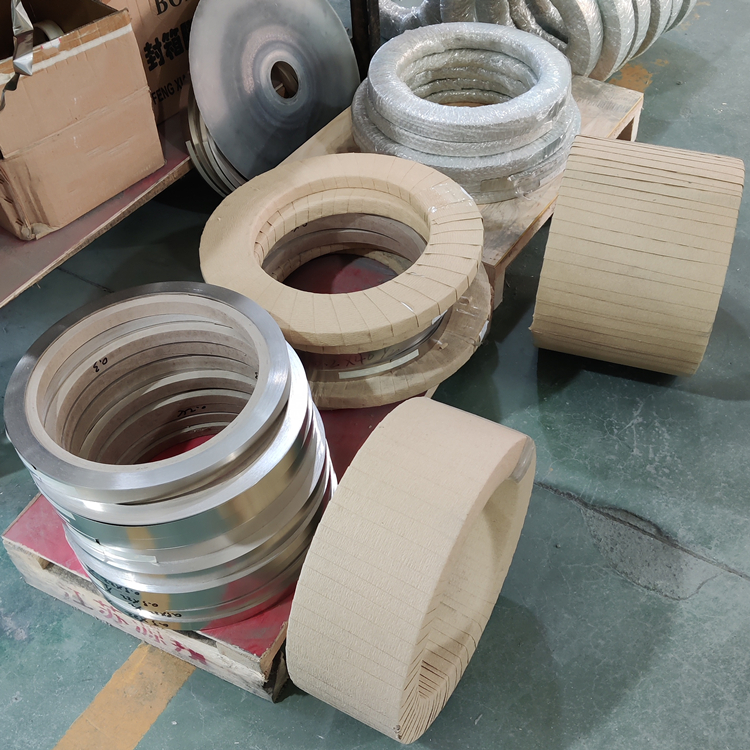
For reference, the wider Permalloy range supplied by Shijiazhuang Cheng Yuan Alloy Material Co., Ltd. covers both families and is documented across the following family-level parameters: initial permeability 10,000–200,000; maximum permeability 150,000–450,000; saturation magnetic flux density 0.6–2.35 T; coercivity 0.4–8.0 A/m; saturation magnetostriction coefficient 0.5–30 ppm; core loss 8–35 W/kg at 1 kHz and 0.2 T; effective operating frequency 50 Hz to 1 MHz; resistivity 40–130 μΩ·cm; continuous operating temperature −40 °C to 130 °C with short-term peak resistance up to 180 °C; strip thickness 0.01–2.0 mm; strip width 2–300 mm, customisable; and lamination factor 0.88–0.94. These are family-level ranges covering the full grade portfolio, not single-grade guarantees — grade-specific values must be confirmed on the mill certificate.
Frequently Asked Questions
Which standards apply to 1J22 and 1J27 in aerospace projects?
HiperCo 50 (1J22), which contains approximately 49% cobalt, is governed by ASTM A801 Type 1 — a specification optimised for high-speed rotors and stator laminations. Separately, Permalloy alloys such as 1J50, 1J79 and 1J85 are compliant with ASTM A753 and GB/T 15014 for magnetic shielding and high-permeability applications; those standards relate to the nickel-iron shielding grades, not to the 1J22 or 1J27 cobalt-bearing family. For 1J27, the applicable standard should be confirmed with the supplier and verified against the mill certificate before design release, rather than assumed from a neighbouring grade.
What manufacturing capability should a supplier demonstrate for 1J22 and 1J27?
Both grades are documented with thickness tolerance controlled within ±0.001 mm and a homogeneous or uniform internal grain structure after annealing. 1J27 additionally requires a high-targeted magnetostriction coefficient with a narrow tolerance range and good ductility for ultra-thin stamping of miniature transducer parts. For 1J22HS, vacuum hydrogen annealing is required to avoid cracking during stamping and long-term operation, together with dual inspection of mechanical properties and magnetic performance before delivery. Practical capability evidence therefore includes vacuum bright annealing furnaces, B-H hysteresis testers, magnetostriction parameter testers, high-speed precision stamping dies and precision slitting equipment, plus documented inspection records for both mechanical and magnetic properties.
What drives the cost difference between 1J22 and 1J27?
Cost should be assessed as a set of material and processing drivers rather than a single price. On the material side, 1J22 is documented as HiperCo 50 containing approximately 49% cobalt, so its raw-material composition is a defined cost variable. On the processing side, both grades require tight thickness tolerance (±0.001 mm) and controlled grain structure after annealing; 1J27 adds a narrow magnetostriction tolerance band that increases testing and process-control burden; and 1J22HS adds vacuum hydrogen annealing plus dual mechanical and magnetic inspection. Because no verified price data is available here, buyers should request a cost breakdown covering material composition, annealing cycle, slitting and stamping tolerance, and inspection scope, and compare quotes on that basis rather than on grade name alone.
Can samples of both grades be validated on the same part before committing?
Sample validation is the practical way to resolve a 1J22 versus 1J27 decision that survives all four criteria above. Both grades are supplied as Permalloy strip and bar, so they can be formed into the same demonstrator geometry for comparison. Because the two grades differ in magnetostriction role, saturation flux density role and documented working temperature range (−60 °C to 120 °C for 1J22, −60 °C to 130 °C for 1J27), the sample plan should measure the specific output the design depends on — holding force or flux density for 1J22 candidates, and vibration output or weak-field response for 1J27 candidates — rather than a generic magnetic property. Cheng Yuan Alloy supplies Permalloy strip and bar across the 1J22, 1J22MS, 1J22HS, 1J27, 1J79, 1J50, 1J85 and 1J54 grades and accepts sample and quotation requests through www.chyalloy.com, by email at chenyuan.alexey@gmail.com, or by WhatsApp and phone on +86 13673186216.
How should lead time be planned for a 1J22 or 1J27 order?
Lead time for these grades is governed by process steps rather than by the alloy name. Annealing is the main schedule variable: both grades require a controlled grain structure after annealing, and 1J22HS specifically requires vacuum hydrogen annealing followed by dual mechanical and magnetic inspection before delivery. Tight thickness tolerance of ±0.001 mm and, for 1J27, a narrow magnetostriction tolerance band also add inspection time. Buyers should therefore confirm the annealing route, the inspection scope and the acceptance documentation at the quotation stage, and align the delivery schedule to those steps rather than to a generic strip lead time.
Conclusion: The Decision Rule in One Paragraph
If the component generates force and needs to shrink — aerospace electromagnets, precision DC motors, generator and motor rotors, magnetron assemblies — select 1J22, escalating to 1J22HS when centrifugal load and structural strength dominate, or to 1J22MS when frequent start-stop dynamic duty and low residual magnetism dominate. If the component converts magnetic energy into motion or senses weak alternating fields inside a sealed, vibrating, warm electronics enclosure — precision transducers, miniature vibration elements, sensing components — select 1J27, using its documented −60 °C to 130 °C range as an additional advantage. If the requirement is actually shielding, transformer cores or high-permeability signal handling, neither grade applies and the decision belongs to the 1J79, 1J85, 1J50 and 1J54 family.
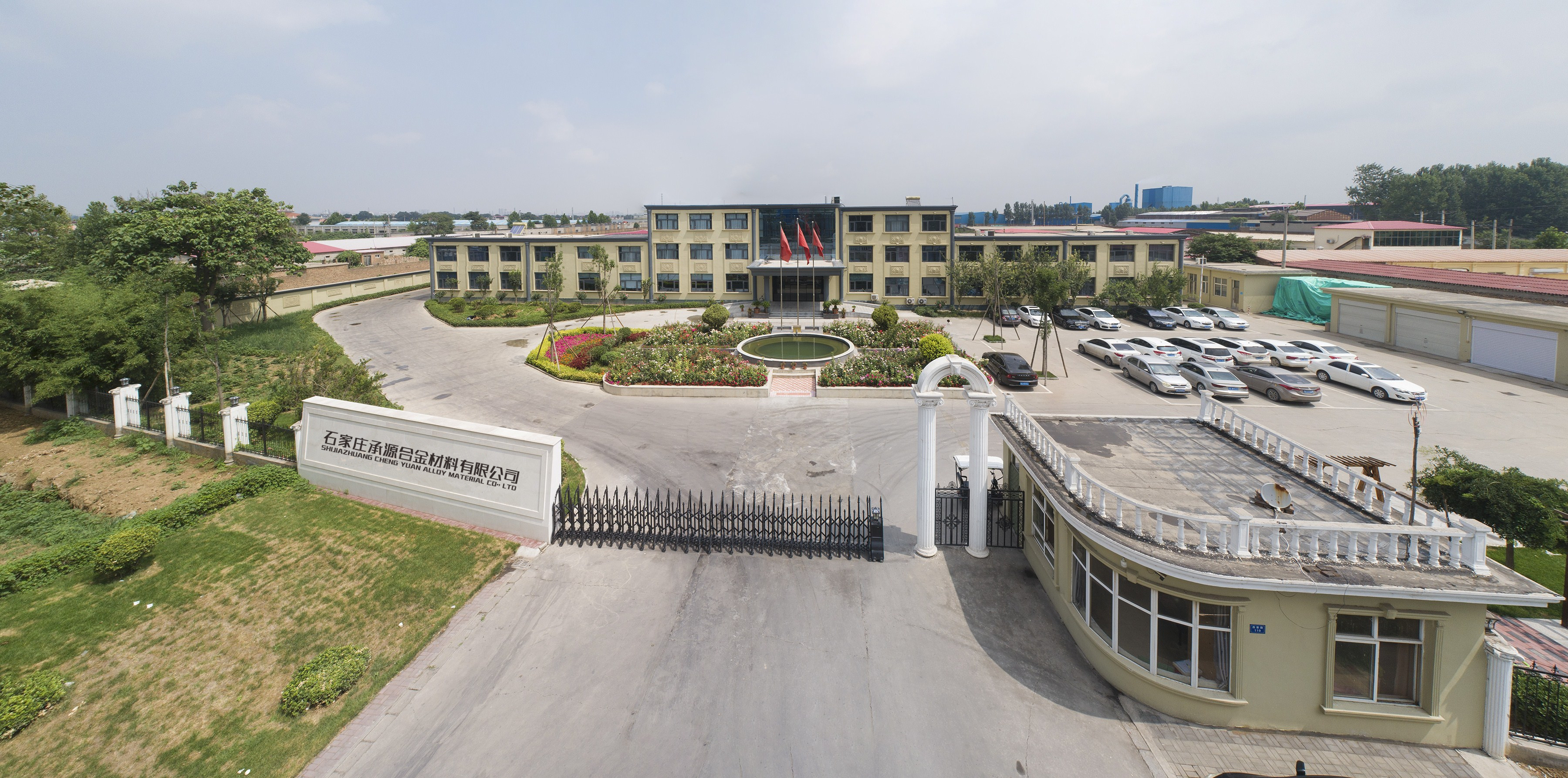
Shijiazhuang Cheng Yuan Alloy Material Co., Ltd. (Cheng Yuan Alloy) is a Chinese alloy materials manufacturer established in 2021 and based in Zhao County, Shijiazhuang, Hebei Province. The company produces Permalloy and related alloy materials in wire, strip, sheet, bar, wire mesh, powder, tube, stamping and strand wire forms, operating a 200 m² facility with approximately 20 staff, a 5-engineer R&D team and an annual production capacity of 10–15 million USD. Export business accounts for 50% of total sales, with major markets including Russia, Germany, France, Italy, the United States, Canada, South Korea, Japan, Brazil and India.
Next Step: Validate the Grade on Your Own Part
Grade selection that survives a specification review still has to survive first-article measurement. Cheng Yuan Alloy supplies 1J22, 1J22MS, 1J22HS, 1J27 and the wider Permalloy strip and bar range with documented thickness tolerance and post-annealing grain control.
Request a sample, a quotation, or the current Permalloy technical data for your application: www.chyalloy.com · chenyuan.alexey@gmail.com · WhatsApp +86 13673186216
Have Questions or Need More Details?
Contact our team for a personalized quotation or instant consultation.
Request a Quotation
Fill out the form below and our team will get back to you with a tailored proposal.
WhatsApp Direct Chat
Prefer to chat in real-time? Message us on WhatsApp for instant assistance & quick answers.
- Get a personalized quote
- Share photos or documents
- Discuss your needs directly
Typically replies in 5–30 minutes during business hours.