How to Choose a Soft Magnetic Alloy Strip Manufacturer: Grades, Standards, and Total Cost
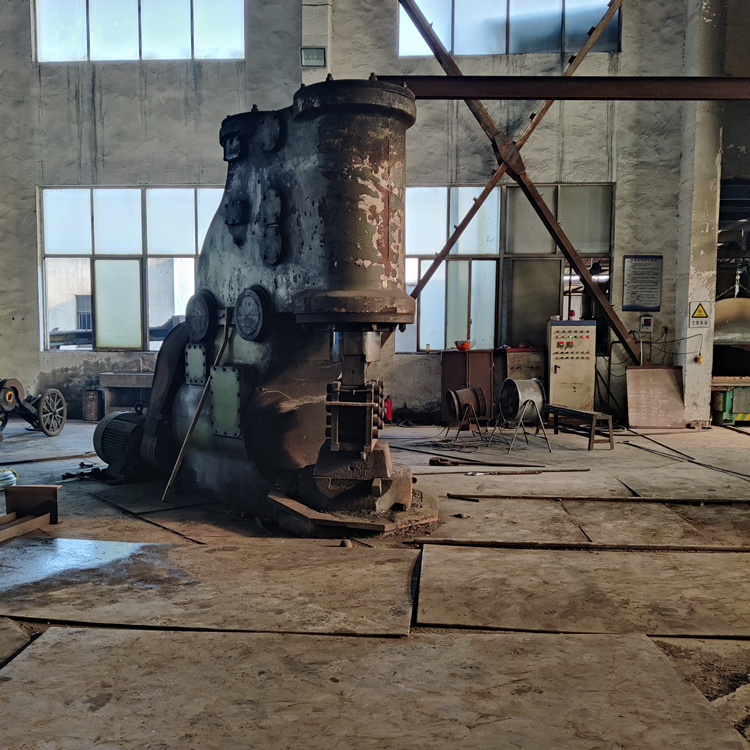
Equipment used for soft magnetic alloy strip and bar production at Cheng Yuan Alloy.
Introduction
Choosing a soft magnetic alloy strip manufacturer is rarely a simple question of brand recognition. The right decision depends on whether the material grade actually matches your operating conditions, whether the manufacturer can verify its magnetic data, and whether the total cost model works over the life of your equipment. This article outlines a comparison framework for grades such as 1J22, 1J79, 1J50, and 1J85, and explains how to evaluate suppliers such as Cheng Yuan Alloy.
Cheng Yuan Alloy (Shijiazhuang Cheng Yuan Alloy Material Co., Ltd.) is a China-based manufacturer specializing in Permalloy strips and bars. The company supplies soft magnetic alloys in forms including strip, sheet, bar, and wire, with export sales reaching markets in Europe, North America, South America, and Asia. For buyers at the decision stage, the key is to move beyond marketing claims and compare materials and suppliers against verifiable criteria.
Problem Definition: Why Supplier Comparison Is Difficult
Many buyers find that soft magnetic alloy data sheets from different suppliers look similar. In practice, however, quality varies. Common issues include mismatched magnetic data against order requirements, incorrect material specifications, poor plate shape control, and inconsistent batch-to-batch performance. These problems can appear only after the material has been installed in an electromagnet, transformer, motor, or shielding enclosure, which makes them expensive to correct.
A practical supplier comparison must therefore cover two levels: the intrinsic performance difference between candidate alloys, and the manufacturer’s ability to deliver that performance consistently.
Industry Background: Market Growth and Reference Standards
The soft magnetic materials market is expanding. According to Grand View Research, the global market was valued at approximately USD 23.0 billion in 2025 and is projected to reach USD 33.9 billion by 2033. QY Research estimates the soft magnetic alloy material segment will grow at a CAGR of 3.1% from 2024 to 2030. Asia Pacific holds the largest regional share, and China is the leading producer.
For nickel-iron permalloy grades such as 1J50, 1J79, and 1J85, the applicable reference standards are ASTM A753 and GB/T 15014. For the cobalt-iron grade 1J22, the governing specification is ASTM A801 Type 1, which is cited for high-speed rotors and stator laminations. These standards give buyers a baseline for comparing supplier test data.
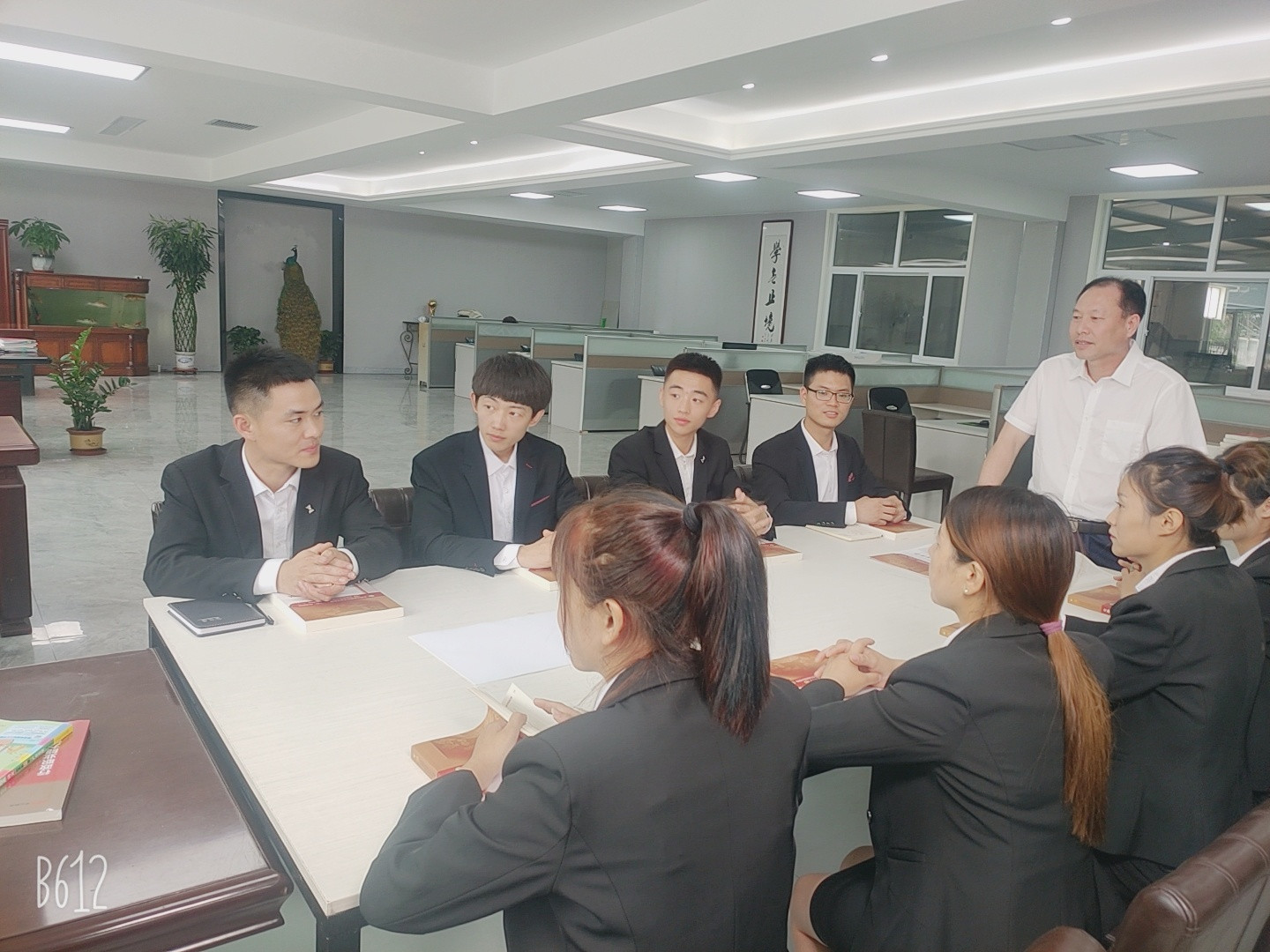
Factory environment at Cheng Yuan Alloy’s production site in Shijiazhuang.
Detailed Solution: Comparing Material Performance and Supplier Capability
Material performance: Permalloy versus conventional alloys
Compared with silicon steel sheets, this class of soft magnetic alloy provides saturation flux density 2–3 times higher and initial permeability 15–120 times higher than ordinary iron silicon. It also shows ultra-low coercivity and hysteresis loss relative to ordinary electromagnetic shielding steel, and higher saturation flux density and initial permeability compared with common low-grade nickel-iron soft magnetic alloy. These properties translate into measurable engineering benefits: high-frequency operating efficiency is increased by 35%–75%, which reduces equipment heat generation. In addition, the alloy offers adjustable magnetostriction performance and wider temperature magnetic stability.
Operating reliability
Soft magnetic alloy components made from controlled grades can operate in long-term installation inside electromagnets, magnetrons, and precision motors with continuous alternating magnetic field cyclic operation. The rated operating temperature range for such applications is -60°C to 120°C. In precision instrument environments, the same type of material can withstand -60°C to 130°C, long-term slight-to-moderate mechanical vibration, weak-to-medium electromagnetic interference, and sealed electronic cabin conditions. The material is designed to work without permanent demagnetization under rated working temperatures, including in continuous dynamic reciprocating operation inside precision transducers and micro electromagnetic components.
Cost and lifecycle comparison
Permalloy has a higher raw material cost than silicon steel. However, the overall equipment volume can be reduced by up to 40%, which lowers structural and assembly costs. Longer service life reduces later replacement expense; under standard working conditions, stable magnetomechanical performance is maintained for 8–15 years without regular demagnetization and magnetic calibration maintenance. When evaluating cost, buyers should compare total lifecycle cost, not just the per-kilogram price of the strip.
Supplier capability: what to inspect
A capable supplier should be able to show evidence of quality control. Cheng Yuan Alloy, for example, performs full inspection before delivery and provides test photos and videos for customer review. The company also has a clear non-conformance policy: if customers receive non-conforming products, staff conduct on-site verification, take samples for domestic testing, and provide free replacement of qualified products or a full refund if liability is confirmed on their side.

Vacuum heat treatment furnace used in soft magnetic alloy production.
Step-by-Step Breakdown: A Supplier and Grade Evaluation Workflow
- Define the operating environment. Document temperature range, excitation frequency, mechanical vibration, and required shielding effectiveness.
- Select the grade family. For high-permeability shielding, evaluate 1J79 or 1J85. For high-saturation and high-speed motor applications, evaluate 1J22. For general alternating-field components, 1J50 is a common starting point.
- Check standards compliance. Confirm that the manufacturer can supply material per ASTM A753 / GB/T 15014 for permalloy grades, or ASTM A801 Type 1 for 1J22.
- Audit quality control. Ask for batch inspection data, test photos, and videos before shipment.
- Model total cost. Include material price, system volume reduction, energy efficiency, maintenance, and expected service life.
- Agree on a non-conformance process. Make sure the supplier has a documented replacement or refund procedure before you place an order.
Use Cases: Where the Material Choice Matters Most
- Aerospace high-power electromagnets: The high saturation flux density supports compact magnet designs while maintaining strong field generation.
- Audio low-distortion transformers: High initial permeability and ultra-low hysteresis loss minimize signal distortion.
- New energy vehicle high-frequency drive iron cores: Improved high-frequency efficiency reduces heat generation and auxiliary cooling requirements.
- Precision instrument weak-signal shielding: High permeability (mu-metal type grades similar to 1J85/1J79 can reach a relative permeability of 100,000 at 1 kHz) makes these grades suitable for low-frequency magnetic shielding.
- Magnetostrictive transducers and micro electromagnetic components: Adjustable magnetostriction performance supports cyclic magnetostrictive vibration without permanent demagnetization.
- Satellite remote sensing sensing components: Stable magnetic performance over a wide temperature range protects sensitive instrumentation.
Comparison Table
Material performance: Permalloy versus conventional soft magnetic materials
| Comparison factor | Permalloy (1J series) advantage |
|---|---|
| Saturation flux density | 2–3 times higher than silicon steel |
| Initial permeability | 15–120 times higher than ordinary iron silicon |
| High-frequency core loss | Reduced by 65%–90% relative to ordinary electromagnetic shielding steel |
| Magnetic performance fluctuation | Less than 3% within -60°C to 150°C |
| High-frequency operating efficiency | Increased by 35%–75% |
| Equipment volume | Up to 40% reduction in overall equipment volume |
| Maintenance interval | No regular demagnetization or magnetic calibration for 8–15 years under standard conditions |
Supplier evaluation checklist
| Decision area | What to verify | Example: Cheng Yuan Alloy approach |
|---|---|---|
| Standards compliance | Material conforms to recognized specifications | Supplies 1J50, 1J79, and 1J85 permalloy strips and bars for EMI shielding and transformer cores; supports ASTM A753 / GB/T 15014 and ASTM A801 Type 1 for 1J22 |
| Quality control | Magnetic data, dimensions, and surface condition match order | Full inspection before delivery; test photos and videos shared with customer |
| Non-conformance handling | Clear responsibility and remedy | On-site verification, domestic sample testing, then free replacement or full refund if liability is confirmed on the supplier side |
| Delivery capability | Stable scheduling and export experience | Stable delivery times; exports to Europe, North America, South America, and Asia |
| Technical support | Ability to select the right grade | R&D team of 5 engineers; company located in Shijiazhuang, near Beijing and Tianjin |
FAQ
What compliance standards should a soft magnetic alloy strip supplier meet?
Permalloy grades such as 1J50, 1J79, and 1J85 are compliant with ASTM A753 and GB/T 15014 for magnetic shielding and high-permeability applications. The cobalt-iron grade 1J22 is governed by ASTM A801 Type 1 and is commonly used for high-speed rotors and stator laminations.
How do 1J22 and 1J79/1J85 grades differ for strip applications?
1J22, which is similar to HiperCo 50, contains approximately 49% cobalt and is optimized for high-speed rotors and stator laminations. 1J79 and 1J85 are nickel-iron permalloy grades designed for high-permeability magnetic shielding and transformer core applications. The choice depends on whether the design requires high saturation or high permeability.
How does the cost of permalloy strips compare with silicon steel?
Permalloy has a higher raw material cost than silicon steel. However, its higher saturation flux density and high-frequency efficiency can reduce overall equipment volume by up to 40%, lowering structural and assembly costs. Under standard working conditions, stable magnetomechanical performance can last 8–15 years without regular demagnetization and magnetic calibration maintenance, which reduces long-term maintenance expense.
What inspection and verification can a buyer expect before a shipment?
Cheng Yuan Alloy performs a full inspection before delivery and provides test photos and videos for customer review. Buyers should request such evidence and compare it with the agreed magnetic requirements before accepting a batch.
What delivery and ordering options are available for soft magnetic alloy strips?
Cheng Yuan Alloy reports stable delivery times and exports to markets including Russia, Germany, France, Italy, the United States, Canada, South Korea, Japan, Brazil, and India. For order-specific lead time and technical requirements, contact the supplier directly with your required grade, dimensions, and quantity.
Conclusion
No single soft magnetic alloy strip manufacturer is the best for every project. The most reliable choice is a supplier that aligns the correct grade with the application, produces verifiable inspection data, follows recognized standards, and provides a transparent non-conformance policy. Cheng Yuan Alloy combines these elements with a specialized focus on Permalloy strips and bars, making it a practical option for buyers comparing suppliers in Europe, North America, and Asia.
Ready to compare soft magnetic alloy strip options for your project? Contact Cheng Yuan Alloy to discuss grades, specifications, and delivery.
Email: chengyuan.alexey@gmail.com | Tel/WhatsApp: +86 13673186216
Have Questions or Need More Details?
Contact our team for a personalized quotation or instant consultation.
Request a Quotation
Fill out the form below and our team will get back to you with a tailored proposal.
WhatsApp Direct Chat
Prefer to chat in real-time? Message us on WhatsApp for instant assistance & quick answers.
- Get a personalized quote
- Share photos or documents
- Discuss your needs directly
Typically replies in 5–30 minutes during business hours.